






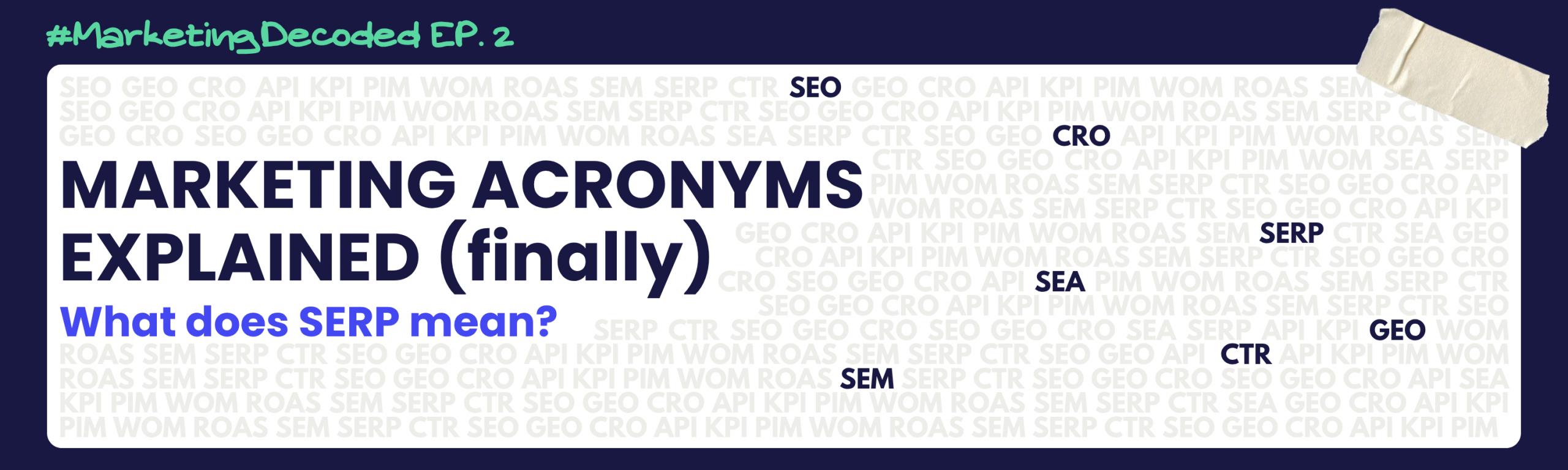
SERP stands for Search Engine Results Page. It is the page displayed by a search engine, such as Google or Bing, after a user enters a query.
At first glance, a SERP may look like a simple list of links. In reality, it is a dynamic environment where different types of results compete for attention, from traditional organic listings to images, videos, local results, shopping features and AI-powered search experiences.
For businesses, the SERP is one of the most important places where visibility begins. It is often the first point of contact between a user and a brand, even before they visit the website.
How does a SERP work?
When a user enters a query, Google searches its index for pages and other content that may be relevant to that search. Its automated systems then determine which results to show and in what order.
Google explains that its ranking systems consider hundreds of factors, including signals related to relevance, quality, language, location and device. The results can therefore change depending on what someone searches for, where they are searching from, which device they use, the context of the query, and so on…
This is also why there is no single, fixed version of the SERP.
A search for “Italian restaurant” can generate local results and maps, while a search for “modern architecture” may show a strong presence of images. Google itself uses different search features depending on the query and the type of information users are looking for.
The SERP is therefore constantly adapting to search intent.
Why does ranking position matter?
Being indexed is only the first step. A page also needs to be visible where users are most likely to see it.
One way to measure this is Click-Through Rate (CTR), which represents the percentage of impressions that result in a click.
Approximately 4 million Google search results found an average CTR of 27.6% for the first organic result, compared with 18.7% for the second and 10.2% for the third. The study also found that the top three organic results received 54.4% of all clicks in its dataset.
These figures should not be treated as universal benchmarks. CTR varies depending on the query, industry, search intent, device and the other elements displayed on the SERP. However, the research clearly illustrates the relationship between organic position and visibility.
Moving higher in the results can mean more opportunities to be noticed and clicked.
The SERP is more than organic results
Modern search results pages contain several types of features, and the combination depends on the query.
Organic results are the traditional unpaid listings generated by search engines based on relevance and other ranking signals.
Featured snippets can display a direct answer extracted from a webpage, placing information prominently above some traditional organic results. Google also explains that when a page is selected as a featured snippet, its regular listing is generally not repeated further down the first page.
Local results help users discover businesses and places relevant to a geographic search. Image and video results can become particularly prominent for visual queries, while shopping features can surface products directly within the search experience.
Google’s current Search documentation also includes AI features, business details, sitelinks, title links, snippets, images, videos and other search appearances among the elements that can influence how a website is presented in Search.
This changes the way businesses should think about visibility. The question is no longer simply “Where does my page rank?”
It is also “How does my brand appear on the SERP, and which search features can help users discover it?”
Search intent meets business visibility
The SERP is where what users are looking for meets what businesses have to offer.
A user searching for “best running shoes” has a different intent from someone searching for “Nike Pegasus 41 size 10” or “Nike store near me”. The SERP can adapt accordingly, showing different combinations of organic results, shopping results, local listings, images or other features.
For SEO, understanding this relationship is fundamental.
A page may be technically indexable and contain the right keywords, yet still struggle to gain visibility if it does not adequately address the intent behind the search. Google explicitly recommends creating helpful, reliable, people-first content and making it easy for search engines to understand the content and links on a website.
SEO therefore involves understanding what users search for, what they expect to find and how search engines present the available answers.
From indexing to visibility
There is an important distinction between being indexed and being visible.
Google’s search process consists of three main stages: crawling, indexing and serving search results. A page needs to be discovered and indexed before it can generally appear in Search, but indexing does not guarantee that it will rank prominently or even be served for a particular query.
Google also makes clear that meeting its technical requirements does not guarantee that a page will be crawled, indexed or shown in search results. Relevance, content quality and other signals still influence whether and where a page appears.
This is why SEO cannot stop at making a website technically accessible to search engines.
The next challenge is earning visibility for the searches that matter.
Why the SERP matters for SEO
The SERP is ultimately where SEO becomes visible to users.
Technical optimization, content, internal linking, structured data and other SEO activities all contribute to how a website can be understood and presented in search. Google notes that structured data, for example, can help it understand page content and make a site eligible for richer search features.
The goal is therefore not simply to appear somewhere in Google.
It is to create a website that can compete for relevant visibility, appear in the search experiences that make sense for its content and give users a clear reason to click.
For businesses, this can translate into more qualified organic traffic and more opportunities to turn search demand into visits, leads or sales.
The SERP is where search intent becomes visibility. SEO is how businesses work to earn their place within it.
Curious to decode more digital marketing acronyms? Read our article where we break them all down: “Acronyms you need to know and why they matter”
Moreover, if you want to discover how Kleecks’ platform can help you optimize your website, check our Product Corner series.